
Post
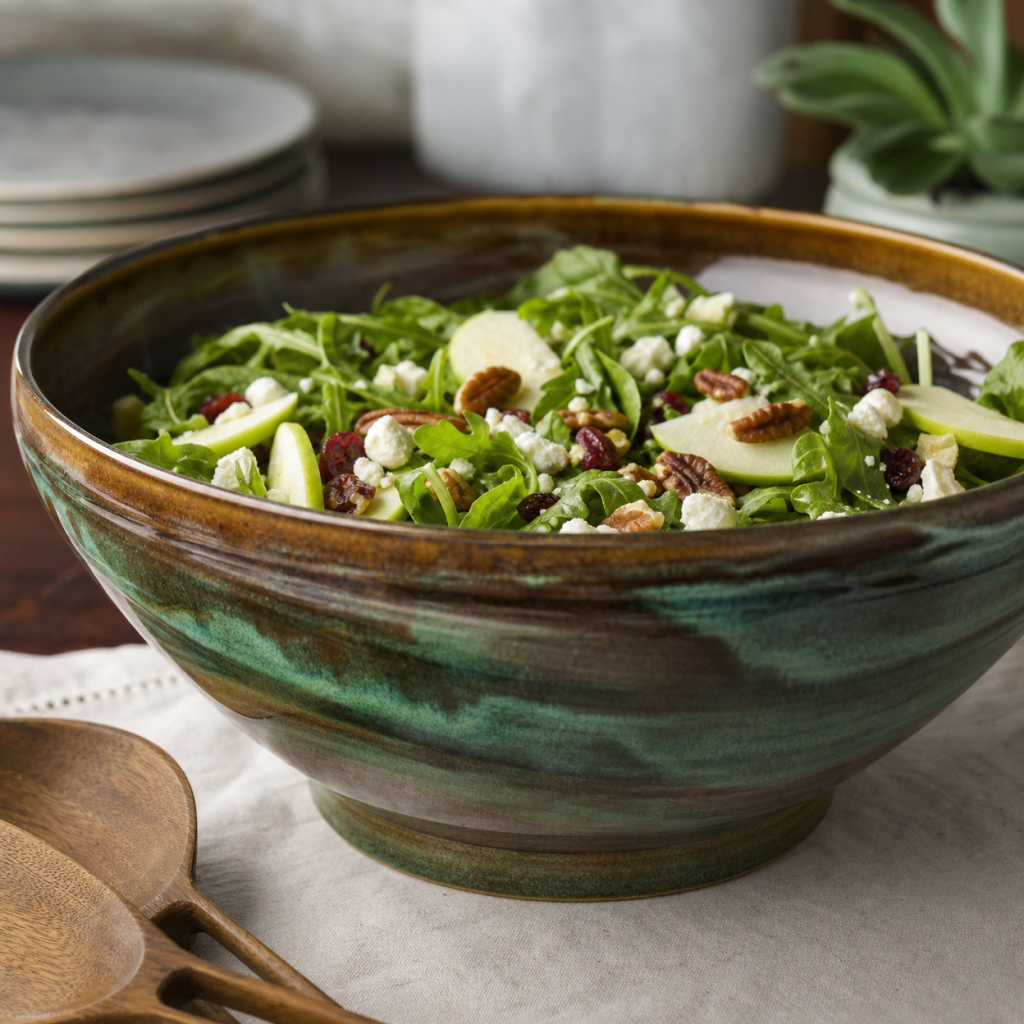
Reactive Glaze Ceramic Serving Bowl: 5 Critical Best Reasons Every Artisan Table Needs One
Jun
Reactive Glaze Ceramic Serving Bowl: 5 Critical Best Reasons Every Artisan Table Needs One
If you are searching for the definitive guide to reactive glaze ceramic serving bowl, this article covers every angle — from the craft traditions behind it to the best styling choices and proven care routines. The world of handcrafted ceramics is rich with detail that transforms a simple purchase decision into a genuinely rewarding experience. Understanding what makes a reactive glaze ceramic serving bowl exceptional helps you invest in pieces that will be used and admired for decades.
Ceramic artisans have been shaping vessels, plates, and decorative objects since the earliest human civilizations. According to Wikipedia’s comprehensive article on pottery, the history of ceramic craft spans over 25,000 years and reflects the deepest human instincts for both utility and beauty. The contemporary reactive glaze ceramic serving bowl carries that tradition forward in every fired piece.
What Makes This Piece Special
The appeal of a reactive glaze ceramic serving bowl goes beyond appearance. Handcrafted ceramics deliver a warmth and tactile quality that mass-produced alternatives cannot replicate regardless of how closely they mimic the visual result. When a potter shapes clay by hand, slight variations in wall thickness, rim profile, and glaze depth create a character that makes each piece genuinely unique.
The functional properties of a well-made reactive glaze ceramic serving bowl reflect centuries of accumulated knowledge about which clay bodies, firing temperatures, and glaze chemistries produce the most durable, beautiful, and practical results. These are not arbitrary choices — they represent hard-won expertise that artisans pass down through generations of practice.
Craft Traditions and Materials Behind the Reactive Glaze Ceramic Serving Bowl
The materials used to create a reactive glaze ceramic serving bowl fundamentally determine its character. Stoneware clay — fired at temperatures between 1200°C and 1300°C — produces a dense, chip-resistant body with natural thermal properties. Earthenware fired at lower temperatures creates a warmer, softer aesthetic. Porcelain, with its refined white body and translucency, represents the pinnacle of ceramic precision.
Glazes applied to a reactive glaze ceramic serving bowl serve both protective and aesthetic purposes. A well-formulated glaze seals the porous clay body against moisture and staining while expressing the artisan’s creative vision through color, texture, and light response. Reactive glazes that shift color during firing are among the most prized because their results are genuinely unpredictable — no two pieces emerge from the kiln identically.
Styling and Display Ideas
Styling a reactive glaze ceramic serving bowl effectively requires understanding how ceramics interact with light, texture, and surrounding objects in a room. Natural light reveals glaze depth and surface variation in ways that artificial lighting suppresses — placing artisan ceramics near windows maximizes their visual impact throughout the day as light angles shift.
- Group by material family: A reactive glaze ceramic serving bowl displayed alongside other stoneware or earthenware pieces creates a cohesive, curated look that tells a consistent material story. Mixing clay bodies too aggressively can create visual noise that dilutes the impact of each individual piece.
- Use height variation: Pairing a reactive glaze ceramic serving bowl with pieces of different heights creates dynamic visual compositions that draw the eye across a shelf, countertop, or dining table rather than presenting a flat, uninteresting horizontal line.
Care and Maintenance
Caring for a reactive glaze ceramic serving bowl correctly preserves both its beauty and its structural integrity. While many stoneware pieces are technically dishwasher safe, the thermal cycling and harsh detergents of a dishwasher can gradually dull glaze surfaces that were brilliantly alive when new. Hand washing with warm water and mild dish soap takes less than a minute and keeps artisan ceramics looking their best for years longer.
Store a reactive glaze ceramic serving bowl where it will not be subject to sudden temperature changes or stacking pressure that can cause micro-fractures invisible to the naked eye but structurally significant over time. When stacking plates or bowls, place felt pads between each piece to prevent glaze-on-glaze contact that leaves permanent micro-scratches on both surfaces. For more expert guides on ceramic care and styling, explore our complete ceramic guide collection.
How to Choose the Right Piece
Choosing the right reactive glaze ceramic serving bowl begins with honest assessment of how it will be used and where it will live in your home. Functional pieces that will see daily use — plates, bowls, mugs — should be evaluated primarily on durability, ease of care, and ergonomic feel. Decorative pieces have more latitude for purely aesthetic criteria, but even display objects benefit from structural integrity that ensures longevity.
The weight and balance of a reactive glaze ceramic serving bowl tell you a great deal about the quality of the clay body and the evenness of the wall thickness. A well-thrown piece feels substantial without being heavy, balanced without being perfect — that slight irregularity is the handcrafted quality that distinguishes artisan ceramics from factory production. Lift the piece, turn it in your hands, and notice whether it has the settled, confident weight that only skilled pottery produces.
How It Compares to Alternatives
Placing a handcrafted reactive glaze ceramic serving bowl alongside factory-produced ceramic alternatives reveals differences that photographs rarely capture. The wall thickness of handcrafted pottery varies slightly and naturally; factory pieces are mechanically consistent to tolerances that eliminate variation entirely. This consistency in factory work reads as coldness in person — a uniformity that the eye registers as inert compared to the living variation of hand-shaped clay.
Proven Reasons Artisan Quality Outlasts Mass Production
The case for choosing handcrafted ceramics over mass-produced alternatives becomes most compelling when you consider the timeline of ownership. Factory-made tableware and decorative pieces are designed with manufacturing efficiency as the primary constraint — meaning that material quality, wall thickness, and glaze durability are each optimized to a cost point rather than a craft standard.
Handcrafted pieces are made within the opposite set of constraints. The artisan’s primary commitment is to the quality of the finished piece rather than to production speed or material minimization. This produces objects that can be used daily for decades without the crazing, chipping, or glaze degradation that characterizes factory ceramics subjected to the same level of use.
The investment in quality handcrafted pieces therefore represents better economic value over any multi-year ownership horizon than the apparent savings of cheaper alternatives that require replacement after relatively short use. When you account for replacement frequency, the lifetime cost of artisan ceramics is frequently lower than the cost of cycling through lower-quality alternatives at shorter intervals.
Beyond economics, the case for handcrafted quality rests on the daily experience of living with objects that possess genuine character. Functional beauty — the combination of perfect utility and visual pleasure — is what the best pottery has always been designed to deliver, and it is something that no algorithm or manufacturing efficiency target can replicate.
Frequently Asked Questions
Is a handcrafted reactive glaze ceramic serving bowl safe for food use?
Yes — all properly fired and food-safe glazed ceramics are fully safe for food contact. The key qualifier is the glaze formulation: studio potters committed to food-safe production use lead-free, cadmium-free glazes fired to vitrification temperature. A reputable artisan will always confirm food safety for any piece intended for food or beverage contact.
Can a reactive glaze ceramic serving bowl be used in the microwave?
Most stoneware and earthenware ceramics without metallic glaze additives are microwave safe. Porcelain with gold or platinum luster decoration should never be microwaved. Always check the piece for any manufacturer guidance, and avoid microwaving pieces with hairline cracks as steam can expand trapped moisture and worsen structural weaknesses.
Many interior designers specifically recommend reactive glaze ceramic serving bowl as a starting point for clients who want to introduce handcrafted ceramics into a room without overwhelming the existing aesthetic.
The enduring appeal of reactive glaze ceramic serving bowl across different interior styles — from minimalist Scandinavian to warm Mediterranean — reflects the versatility that only genuine artisan craftsmanship can deliver.
Final Thoughts on the Reactive Glaze Ceramic Serving Bowl
Investing in a quality reactive glaze ceramic serving bowl is one of the most satisfying home decisions available because the return on that investment compounds daily. Every time you use or see a beautifully crafted ceramic piece, you receive the full sensory return — the weight, the texture, the glaze depth — that is simply unavailable in mass-produced alternatives at any price point. A reactive glaze ceramic serving bowl does not merely serve its function; it elevates every interaction it is part of.
The handcrafted ceramic tradition that produces pieces like the reactive glaze ceramic serving bowl represents one of humanity’s longest-running creative practices — one that rewards both maker and owner with objects of genuine lasting worth. Choose carefully, care thoughtfully, and the piece you bring home today will still be in daily, beautiful use years from now.
